
Introduction
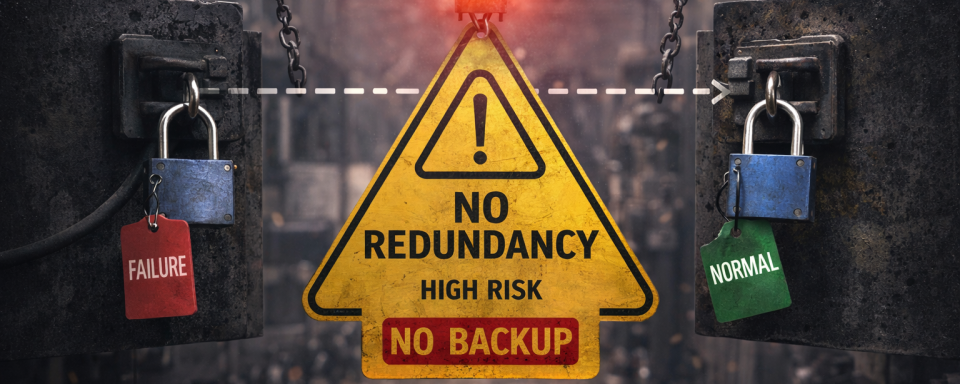
This drain station pump failure case study explains how a lack of redundancy can create serious reliability risks in wastewater treatment plants. Although drain stations are often considered secondary systems, their failure can lead to flooding, equipment damage, and emergency operation.
In this case, the drain station was equipped with only two submersible pumps:
-
One duty pump
-
One standby pump
When one pump failed, the remaining pump was forced to operate continuously. This created a high-risk situation because if the second pump failed, the entire station could be flooded.
This case study describes what happened, how the situation was managed, and the key lessons learned.
Why Drain Station Pump Failure Is a Serious Risk
The drain station is responsible for lifting drainage water inside the wastewater treatment plant. Any loss of pumping capacity immediately increases operational risk.
System Description
-
Number of pumps: 2 only (Duty + Standby)
-
Operation mode: Alternating operation using a level sensor
-
Normal operation: Each pump runs approximately 12 hours per day
Failure Description
One of the pumps failed with major damage:
-
Burned motor windings
-
Damaged mechanical seal
-
Damaged bearings
Situation After Pump Failure
-
The remaining pump was forced to run 24 hours continuously
-
A portable Sykes pump was used as temporary support
-
The station had no effective standby pump
Why Drain Station Pump Failure Is Important
Loss of Redundancy and Reliability Risk
With only two pumps installed, the failure of one pump immediately removes all redundancy. The remaining pump becomes a single point of failure.
If this pump stops:
-
The drain station will stop
-
Flooding may occur
-
Electrical rooms and equipment may be damaged
This situation clearly shows how a weak maintenance strategy increases operational risk when redundancy is limited.
Continuous Operation Increases Failure Risk
Submersible pumps are usually designed to operate based on water level (start and stop).
Continuous operation can cause:
-
Increased motor temperature
-
Higher bearing load
-
Faster mechanical seal wear
-
Cooling problems if water level drops
This significantly increases the risk of electrical and mechanical failure. Continuous operation of submersible pumps without proper redundancy is a known reliability issue, as highlighted in wastewater pumping guidelines published by pump manufacturers such as Grundfos.
Trips Were Early Warning Signs
Before the final failure:
-
The pump experienced repeated trips
-
The exact trip cause was not identified
-
Operation continued until severe damage occurred
Trips are early warning signals and should always be investigated.
How to Prevent Drain Station Pump Failure
Step 1: Immediate Risk Control
During degraded operation, proper maintenance planning and scheduling is critical to avoid emergency failures.
Actions taken:
-
Continuous operation of the remaining pump
-
Use of a portable Sykes pump as backup
-
Close monitoring of water level
-
Treating the situation as an emergency condition
Step 2: Review of Control and Protection
It was confirmed that:
-
The control panel was advanced
-
The system included:
-
VFD / Soft Starter
-
PTC thermal protection
-
However, trip data was not reviewed or analyzed.
Step 3: Understanding the Drain Station Pump Failure Scenario
Based on the observed damage, the most likely failure sequence was:
-
Abnormal load or cooling condition started
-
Repeated trips occurred
-
Operation continued without investigation
-
Mechanical seal failed
-
Bearings were damaged
-
Motor load increased
-
Motor windings burned
This was a progressive pump failure, not a sudden one.
Step 4: Repair and Restore Operation
The failed pump was repaired to restore normal operation.
At the same time, an important corrective decision was made:
-
A third pump was requested to improve drain station reliability
Step 5: Long-Term Reliability Improvement
Adding a third pump will:
-
Restore redundancy
-
Prevent continuous operation of a single pump
-
Balance running hours between pumps
-
Reduce future failure risk
To fully benefit, it is also necessary to:
-
Update the control logic
-
Ensure proper pump rotation
-
Use alarms and trip information correctly
Key Elements or Best Practices
-
Drain stations should not rely on only two pumps when flooding risk is high
-
Drain station pump failures must always be analyzed
-
Continuous operation increases stress on submersible pumps
-
Portable pumps are temporary solutions, not permanent ones
-
Reliability improvement requires design, operation, and maintenance working together
Common Challenges or Mistakes
-
Repairing equipment without analyzing the pump failure
-
Ignoring repeated trips
-
Operating without a clear degraded-mode plan
-
Relying on emergency actions instead of proper system design
Conclusion
This drain station pump failure case study shows that many pump failures are caused by system design and operating practices, not by the pump itself.
Adding a third pump, improving control logic, and properly using protection and alarms are essential steps to reduce reliability risk and protect wastewater treatment plants.
Key message:
The first pump failure is a warning — do not wait for the second one.
